


Creative Fatigue in the Digital Media Space Part 2:
The Hidden Costs of Creative Fatigue
Creative fatigue is often viewed as a campaign performance issue measured by declining click-through rates, rising costs, and falling conversions. However, the real impact extends far beyond the metrics. When audiences are repeatedly exposed to the same messages and visuals, they don't just stop engaging, they begin tuning that brand out entirely. What starts as diminishing ad effectiveness can evolve into ad blindness, weakened algorithmic performance, and a gradual erosion of brand perception.
Consumers may start to look at the brand as repetitive, uninspired, or disconnected, while ad platforms lose the signals needed to optimize efficiently. The hidden costs of creative fatigue compounding over time, quietly reducing return on investment and threatening brand equity. Recognizing and addressing creative fatigue before it takes hold is essential for brands that are looking to sustain relevance, maintain their audience, and maximize ad impact.
As mentioned in part one of this series, the immediate signs of creative fatigue are performance-based...
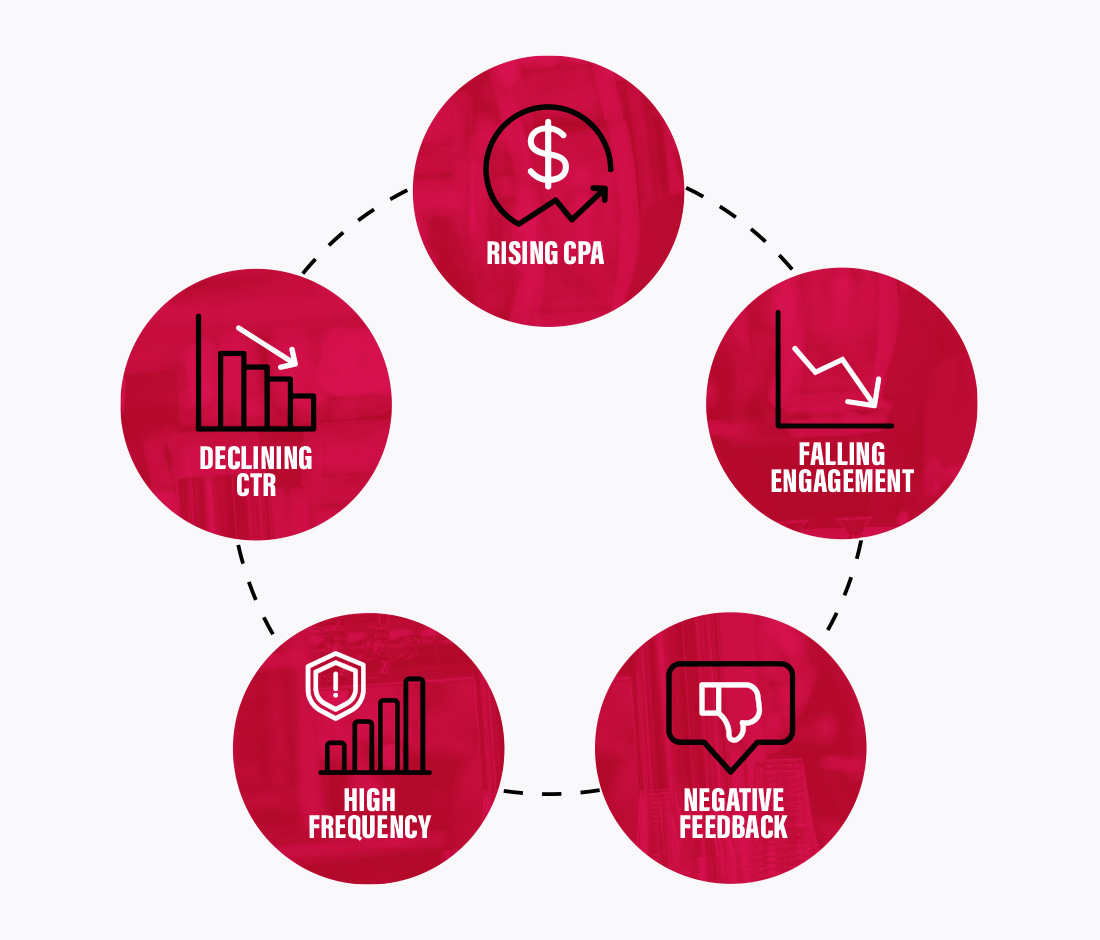
• Declining CTRs
• Rising CPAs and CPMs
• Falling Engagement
• High Frequency
• Negative Feedback
Let’s dive into some of the “hidden costs” that can mark some long-term consequences.
Erode Brand Perception
Over time, declining engagement rates, lower click-through rates, and reduced response to campaigns can signal that consumers are tuning out. If a brand fails to refresh its creative strategy, audiences may associate it with annoyance rather than value, weakening the emotional connection and reducing trust. Competitors with more relevant and innovative messaging can capture attention and preference, ultimately eroding loyalty, diminishing brand equity, and making it more difficult for the brand to maintain their position in the market.
Trigger Ad Blindness
Creative fatigue can trigger ad blindness by causing audiences to become overly familiar with the same advertisements. When consumers repeatedly encounter identical imagery, headlines, messaging, or calls to action, their brains learn to categorize the content as predictable and irrelevant. As a result, they begin to unconsciously filter it out without actively “seeing” the message.
This avoidance reduces recall and engagement. Consumers may scroll past display ads, skip videos more quickly, ignore social media placements, or fail to notice promotions they have seen too many times before. Even strong creative concepts lose impact when overexposed.
Beyond reducing campaign effectiveness, persistent exposure to stale creative can make a brand appear uninspired or disconnected from consumer interests. Regularly refreshing creative assets, testing new formats and messages, and tailoring content to different audience segments can help maintain attention and reduce ad blindness.
Loss of Algorithmic Optimization Signals
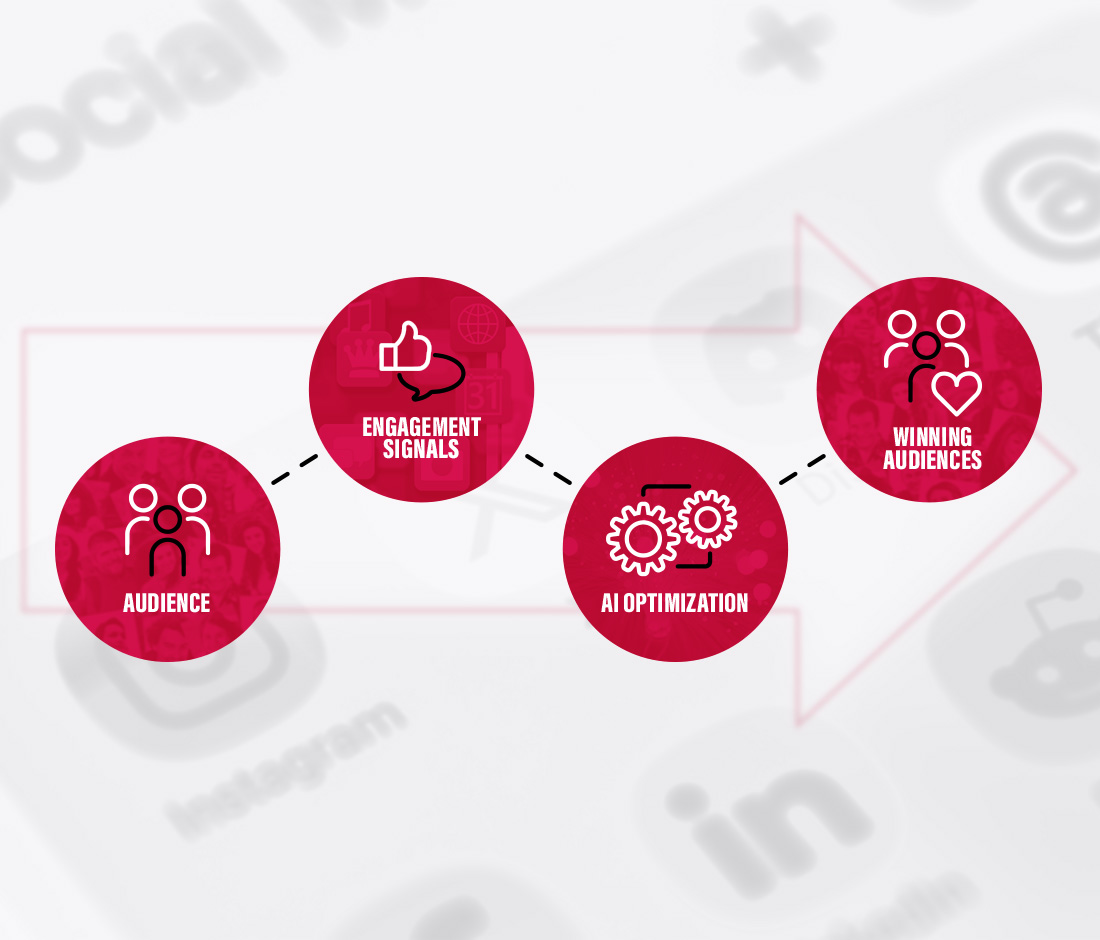
Advertising platforms rely on user interactions to determine which audiences are most likely to respond to an ad. Due to this, creative fatigue can lead to a loss of algorithmic optimization signals. Platforms such as social media networks and programmatic advertising systems continuously analyze signals like impressions, click-through rates, video completion rates, conversions, shares, and other engagement behaviors to improve delivery efficiency.
When audiences become fatigued by seeing the same creative too often, engagement naturally declines. Fewer clicks, lower watch times, reduced conversions, and diminished interactions provide weaker signals to the platform's optimization models. As these signals deteriorate, algorithms have less reliable data to identify high-performing audience segments and placements. This results in less efficient ad delivery, rising costs, and reduced campaign effectiveness. Cost per click and cost per acquisition may increase as the platform struggles to predict who is most likely to convert.
Refreshing creative regularly helps restore engagement signals, allowing algorithms to continue learning and optimizing toward the users most likely to drive meaningful business outcomes. Remember, creative fatigue starts as a campaign problem but continues as a growth problem.
Creative fatigue doesn’t happen overnight, but its impact can quietly erode performance, weaken brand perception, and limit growth over time. Recognizing the signs early is the first step toward building a stronger, more resilient marketing strategy. In the final installment of this three-part series, we’ll explore how brands can proactively combat creative fatigue with smarter creative audience placement, stronger creative systems, and a more sustainable approach to performance.
Stay tuned for part three of this series!
