


GEO - Generative Engine Optimization
Change is the only constant in the world of digital media...change, and an ever-evolving list of new acronyms to learn (SEM, SEO, KPI, CPC, CTR, ROAS, etc.). The newest of these acronyms is GEO. Generative Engine Optimization is being regarded as the next “big thing” in content and search for good reason. With AI being added to seemingly everything, AI-generated answers to questions posed in a search bar like Google or Bing are here to stay. So, let’s outline Generative Engine Optimization (GEO) in a simple format, shall we? What is it, why it’s important, and how to start utilizing it?
What Is It?
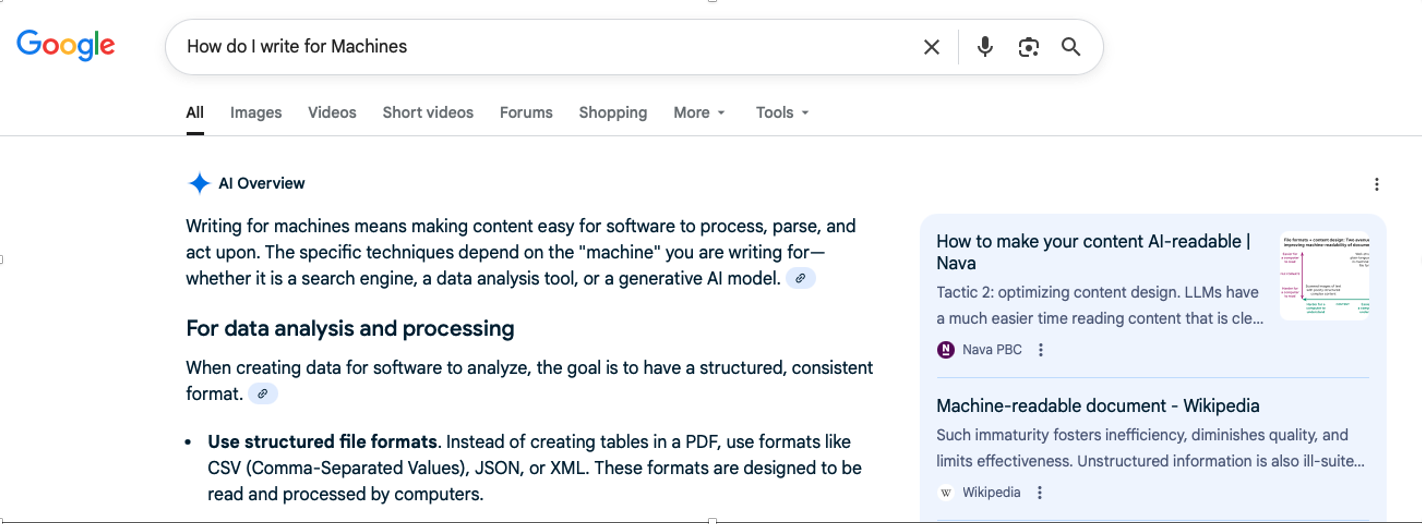
To answer this as succinctly as possible, we need to start with SEO. Search Engine Optimization has been around for over a decade at this point. In short, SEO is the process of making your website more visible to people searching by moving your website’s organic positioning higher in the search rankings. SEO is focused on content and technical aspects of the site to allow for the search engine to rank the site better. Website speed, structure, security, keyword optimization, optimizing site pages, meta descriptions, backlinks, and high-quality content that an end user would find valuable all play a crucial role in this endeavor. While these optimizations create a better experience for the end user, GEO is optimizing for machines...yes, you heard it here first folks, we are now having to write content for machines.
Why It’s Important?
If you’ve noticed when searching on Google, the first response to any searched question is now an AI Overview. These AI Overviews are not going away. If anything, they will continue to become more refined. AI-generated answers are quickly becoming the default information that end users are referencing for information that can lead to decision making even if these AI answers are still “learning” and are not always accurate. The trust in AI has gained incredible traction in a short time, and because of these AI Overviews being shown above the typical search results, these “zero click searches” are considered by most end users to be the absolute answer. Everyone is fighting to be the top result on Google. You and your competitors spend a significant of your marketing dollars to fight for these positions, as top positions can mean more traffic on both your site and on your property. Becoming a source summarized by the AI overview can help to secure top positions and bring more potential traffic.
To Start Using GEO
-
Build Authority on Topics
AI models prioritize sources that demonstrate expertise, depth, and consistency.- Publish comprehensive, up-to-date content in your vertical.
- Use human writers, clear headings, structured formatting, and context-rich explanations.
- Use the trusted SEO model and align with E-E-A-T principles (Experience, Expertise, Authoritativeness, Trustworthiness).
-
Use Schema and Structured Data
Structured data (like FAQ schema, How-To schema, etc.) helps AI engines scan your content more effectively. -
Prioritize Clarity and Relevance
AI engines synthesize content, so clear and concise writing increases the chances of your content being “quoted” or summarized.- Avoid fluff and filler.
- Use straightforward question-and-answer formed content.
- Include summaries and key takeaways in long-form content.
-
Check Your Influence
Regularly ask AI models questions related to your niche or brand.- Are they mentioning your company?
- Is your content influencing the answers?
- Are competitors being cited instead?
The Takeaway
GEO is here and there are no signs of it going away. Along with most things, adapting to these changes before your competitors do, could provide a huge advantage in building your digital brand as the authority in your market.
